Company of Animals HALTI No-Pull Harness

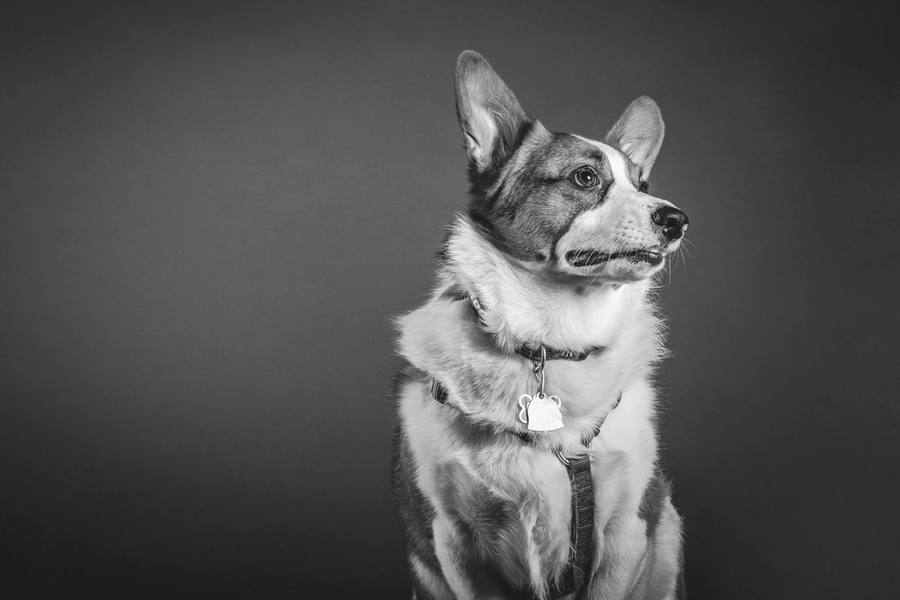
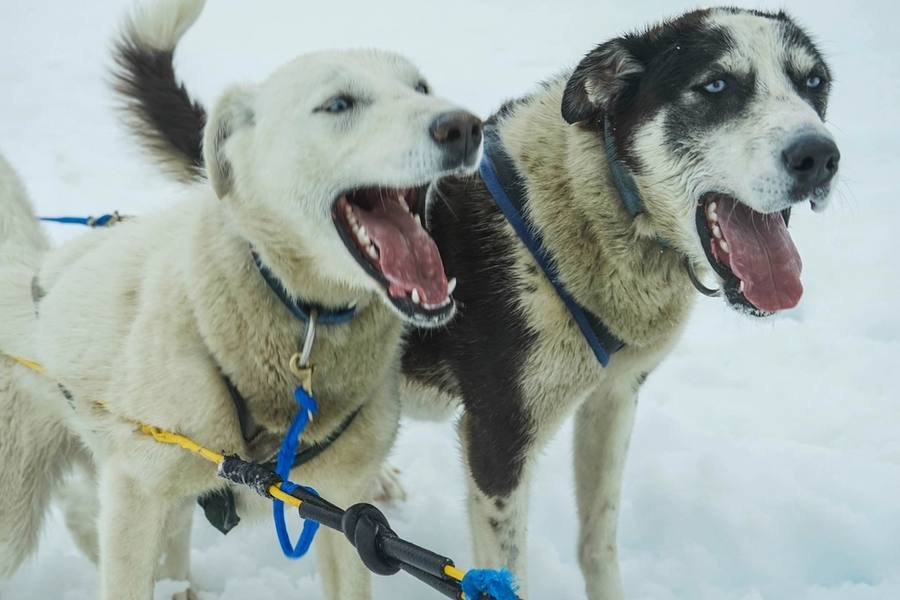
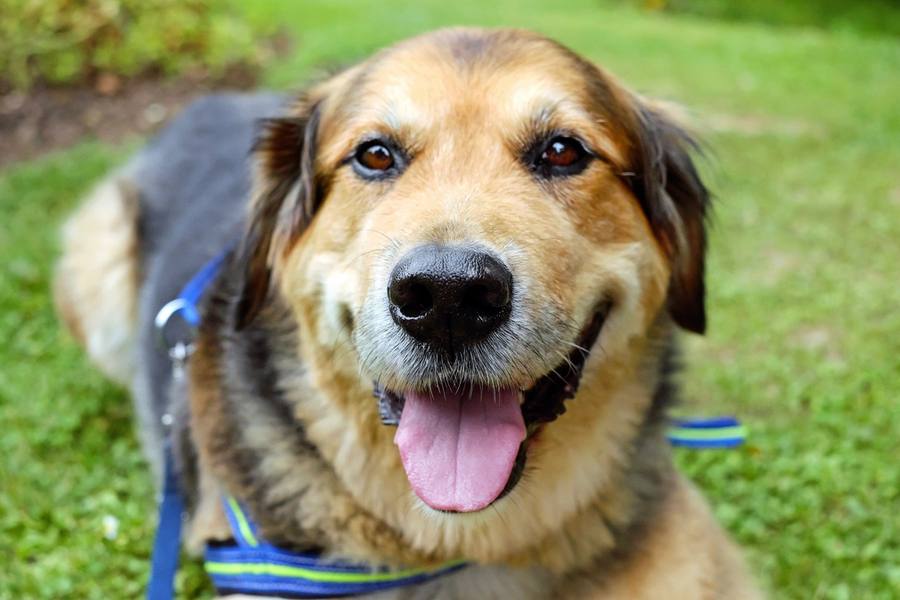
Image illustrative (photo de stock) ; ce n'est pas le produit exact.
Built Around One Mechanism
Where the Ruffwear is an everyday harness with a front clip among its features, the HALTI no-pull harness is designed primarily around that mechanism. The front attachment is positioned and angled specifically to turn a pulling dog sideways, interrupting forward momentum.
It works, and for a dog that pulls hard the effect is immediate — noticeably more so than a back-clip harness or a flat collar.
It is also considerably cheaper than premium harnesses, which matters because many people buy a no-pull harness as a training aid for a period rather than as permanent equipment.
What A No-Pull Harness Is And Is Not
It is worth being clear that this is management, not training. The harness makes pulling ineffective while it is worn, which creates the conditions for loose-lead training to work, but a dog wearing it has not learned anything by itself.
Dogs frequently revert the moment a different harness or collar goes on, which surprises owners who expected the equipment to fix the behaviour. The equipment buys you walks that are manageable while you do the training.
That framing matters because a harness marketed as no-pull sets an expectation it cannot meet on its own, and disappointment with the product is usually disappointment with that expectation.
Comfort And Fit
Padding is present but thinner than premium harnesses, and the straps are narrower. For a short walk that is fine; for hours of wear a better-padded harness is more comfortable for the dog.
Adjustment is more limited than four-strap designs, which means it fits typical dog shapes well and unusual ones less well. Deep-chested and very broad dogs are where the limits show.
As with any front-attaching harness, the chest strap must sit across the breastbone rather than pressing on the throat, and it should not restrict the shoulder.
Against The Alternatives
Against the Ruffwear Front Range, the HALTI is cheaper and more single-purpose, and less comfortable and less adjustable.
Against a head halter from the same brand, the halter offers more control over a very strong dog and needs careful introduction; the harness is gentler and less effective on the strongest pullers.
Against a flat collar, any front-attaching harness is both kinder to the neck and more effective at interrupting pulling.
Who Should Not Buy It
Anyone wanting one harness for long daily wear should buy a better-padded everyday harness, since comfort over hours is not this one's strength.
Anyone expecting the harness itself to train the dog will be disappointed; it manages the behaviour rather than changing it.
Anyone with an unusually shaped dog may find the adjustment range insufficient.
The Verdict
An effective, affordable front-attaching harness that makes pulling ineffective and gives you walks you can actually train on.
It is less padded and less adjustable than premium harnesses, and it manages rather than trains.
Buy it as a training aid for a period, and expect to do the training alongside it.
Durability is worth a brief note because this harness is often bought for a strong dog that has already defeated other equipment. The stitching and webbing are adequate for normal use rather than heavy-duty, and a very powerful dog leaning into it daily will wear the chest attachment point over a year or two. Checking that stitching periodically is sensible, since it is the part carrying all the load.
En un coup d'œil
Avantages
- Front attachment positioned specifically to interrupt pulling
- Immediate effect on a hard-pulling dog
- Considerably cheaper than premium harnesses
- Kinder to the neck than a flat collar
Inconvénients
- Thinner padding; less comfortable over long wears
- Limited adjustment for unusual dog shapes
- Manages pulling rather than training it out
- Dogs often revert when a different harness is used
Questions fréquemment posées
Will it stop my dog pulling permanently?
No. It makes pulling ineffective while worn, which is what allows loose-lead training to succeed. Dogs commonly revert when a different harness goes on, because the harness managed the behaviour rather than teaching anything.
Is it comfortable enough for long walks?
For short and medium walks, yes. The padding is thinner and the straps narrower than premium harnesses, so for hours of daily wear a better-padded everyday harness is kinder to the dog.
How should the chest strap sit?
Across the breastbone, not against the throat, and not so far forward that it restricts the shoulder. A front-attaching harness fitted too high pulls on the windpipe, which defeats one of the main reasons to use a harness at all.
Spécifications
| Primary attachment | Front, angled to redirect |
| Padding | Present but thin |
| Adjustment | Limited compared with four-strap designs |
| Best for | Training period use |
| Neck pressure | None |
| Comfort over hours | Moderate |
| Price | Modest |
| Trains the dog | No |
Résumé
Cheap and genuinely effective at interrupting pulling, which buys you walks you can train on. Thinner padding and less adjustment than premium harnesses.
Vérifier le prix sur Amazon