Ruffwear Front Range Harness
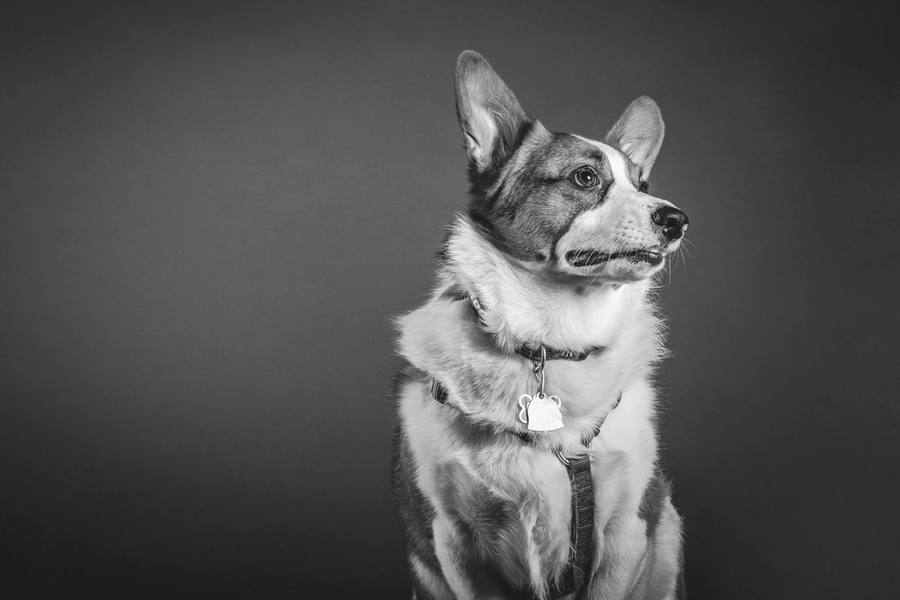
Temsili görsel (stok fotoğraf); ürünün kendisi değildir.
Two Attachment Points And What They Do
The harness has a ring on the back and a reinforced webbing loop on the chest, and the difference between them is the whole reason to buy a harness like this rather than a simple one.
The back ring is for ordinary walking with a dog that does not pull. The chest attachment changes the mechanics: when a dog pulls forward, the lead turns them back towards you rather than letting them lean into the pressure. It does not train a dog not to pull, but it removes the dog's ability to make progress by pulling, which is what makes training possible.
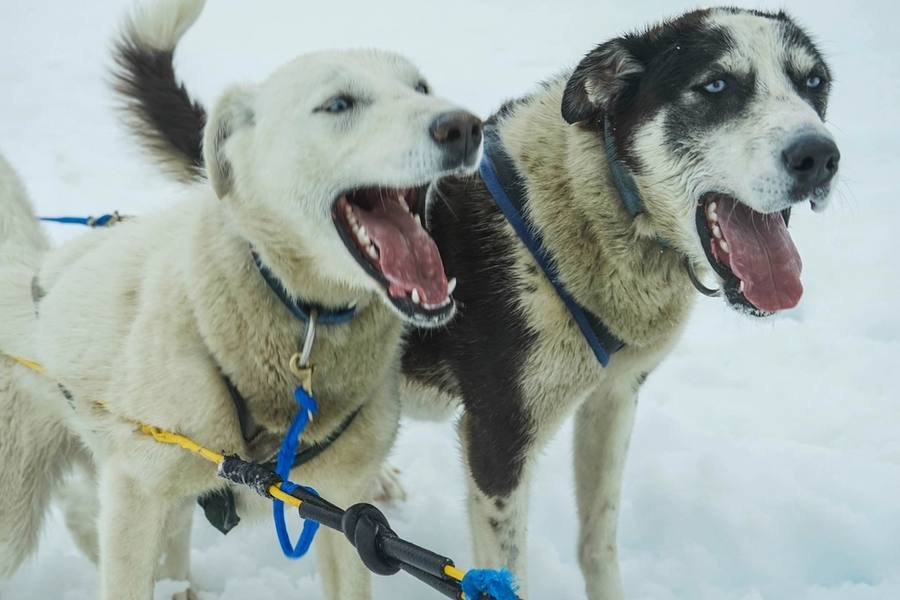
A great many harnesses have only a back ring, which for a puller is actively counterproductive — a back-clip harness on a pulling dog is essentially a sled-dog rig, and it makes leaning into the lead more comfortable, not less.
Fit And The Four Straps
It adjusts at four points, which is more than most harnesses and matters because dog shapes vary enormously. A deep-chested greyhound and a barrel-chested bulldog cannot be fitted by the same two-strap harness.
Correct fit means two fingers should slide under any strap, and the chest piece should sit across the breastbone rather than pressing into the throat. A harness fitted too far forward restricts the shoulder and can affect gait over time.
Sizing should be done by chest girth measurement rather than by the dog's weight, which is the most common sizing error and produces harnesses that are consistently too large.
Build And Everyday Practicalities
The padding across the chest and belly is foam-backed and genuinely comfortable, which matters for a harness worn for an hour or more at a time.
There is a lead-attachment loop on the chest reinforced with webbing rather than a bare plastic ring, which is where cheaper harnesses fail first under a strong dog.
Reflective trim runs along the straps, and there is a handle on the back which is genuinely useful for holding a dog briefly at a kerb or helping them into a car — though it should not be used to lift a dog by.
Against The Alternatives
Against a flat collar, a harness removes pressure from the neck entirely, which matters greatly for brachycephalic breeds, dogs with tracheal problems, and any dog that pulls hard.
Against a head halter, which offers more control over a very strong dog, the harness is far more comfortable and less aversive, and a halter requires careful introduction.
Against cheap two-strap harnesses, the fit range and the reinforced chest attachment are the differences, and both matter for a dog that pulls.
Who Should Not Buy It
Anyone with a genuinely powerful dog they cannot physically hold should consult a trainer; no harness substitutes for training, and equipment alone will not manage a dog that outweighs the handler's ability to control it.
Anyone wanting a harness for pulling sports needs a purpose-built pulling harness, which is designed to do the opposite of this one.
Anyone with a dog that escapes harnesses should look at escape-proof designs with a third strap behind the ribs.
The Verdict
The everyday harness to buy: two attachment points that genuinely serve different purposes, four-strap adjustment that fits real dog shapes, and padding and construction that last.
It is not escape-proof, it does not train a dog, and a very strong dog may need more than equipment.
Measure the chest girth rather than guessing from weight, and use the chest attachment if your dog pulls.
Bir bakışta
Artılar
- Chest attachment removes a pulling dog's ability to make progress
- Four adjustment straps fit genuinely different dog shapes
- Reinforced webbing chest loop rather than a bare plastic ring
- Comfortable foam-backed padding for long wears
Eksiler
- Not escape-proof; no third strap behind the ribs
- Does not train a dog not to pull on its own
- Back attachment alone is counterproductive for a puller
- More expensive than basic two-strap harnesses
Sıkça sorulan sorular
Which clip should I use?
The chest clip if your dog pulls, because it turns them back towards you instead of letting them lean into pressure. The back clip for a dog that walks nicely. Using the back clip on a puller effectively gives them a sled harness, which makes pulling more comfortable rather than less.
How do I size it?
Measure the chest girth at the widest point behind the front legs and use that, not the dog's weight. Sizing by weight is the most common error and consistently produces harnesses that are too large and slip.
Will it stop my dog pulling?
It removes the reward — they no longer make forward progress by pulling — which is what makes training effective. It is not a substitute for training, and a harness alone rarely changes behaviour permanently.
Teknik Özellikler
| Attachment points | Chest and back |
| Adjustment | Four straps |
| Chest loop | Webbing reinforced |
| Padding | Foam backed, chest and belly |
| Handle | On back |
| Reflective | Trim on straps |
| Sizing | By chest girth |
| Escape proof | No |
Özet
The everyday harness to buy: a chest clip that actually helps with pulling, four-strap fit, and build that lasts. Not escape-proof, and not a substitute for training.
Amazon'da Fiyatı Kontrol Et